


GREEN CAMPUS
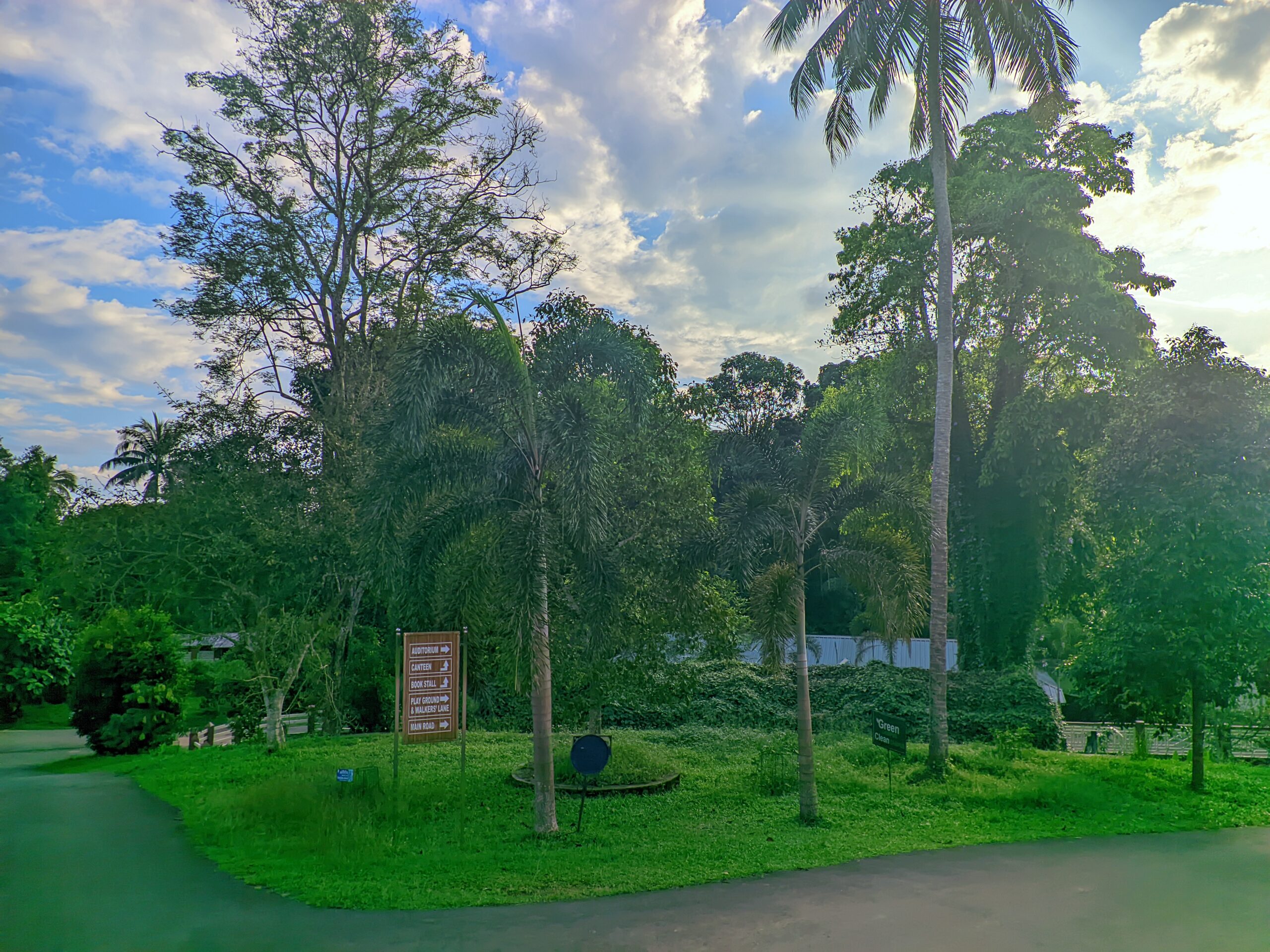
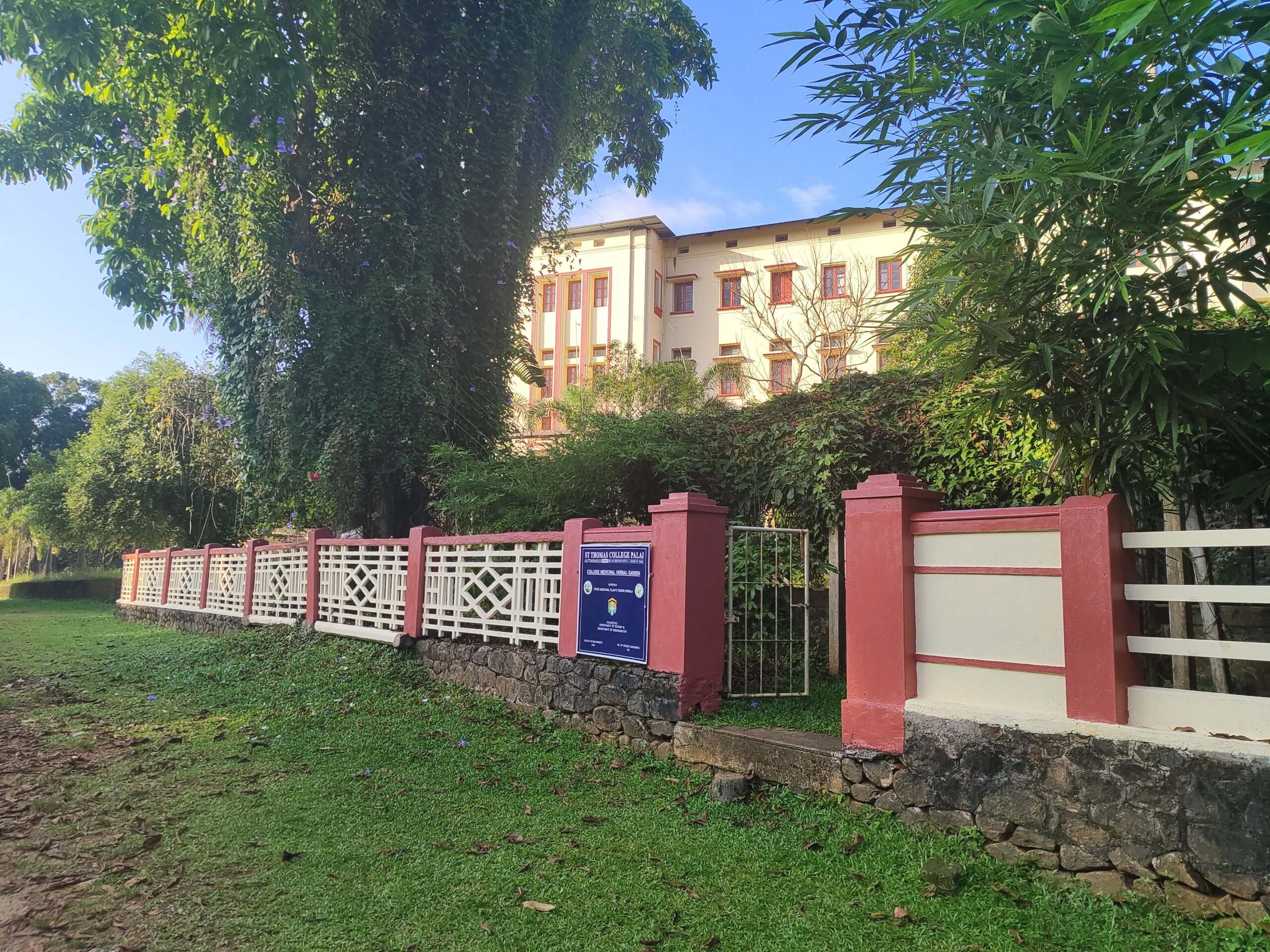
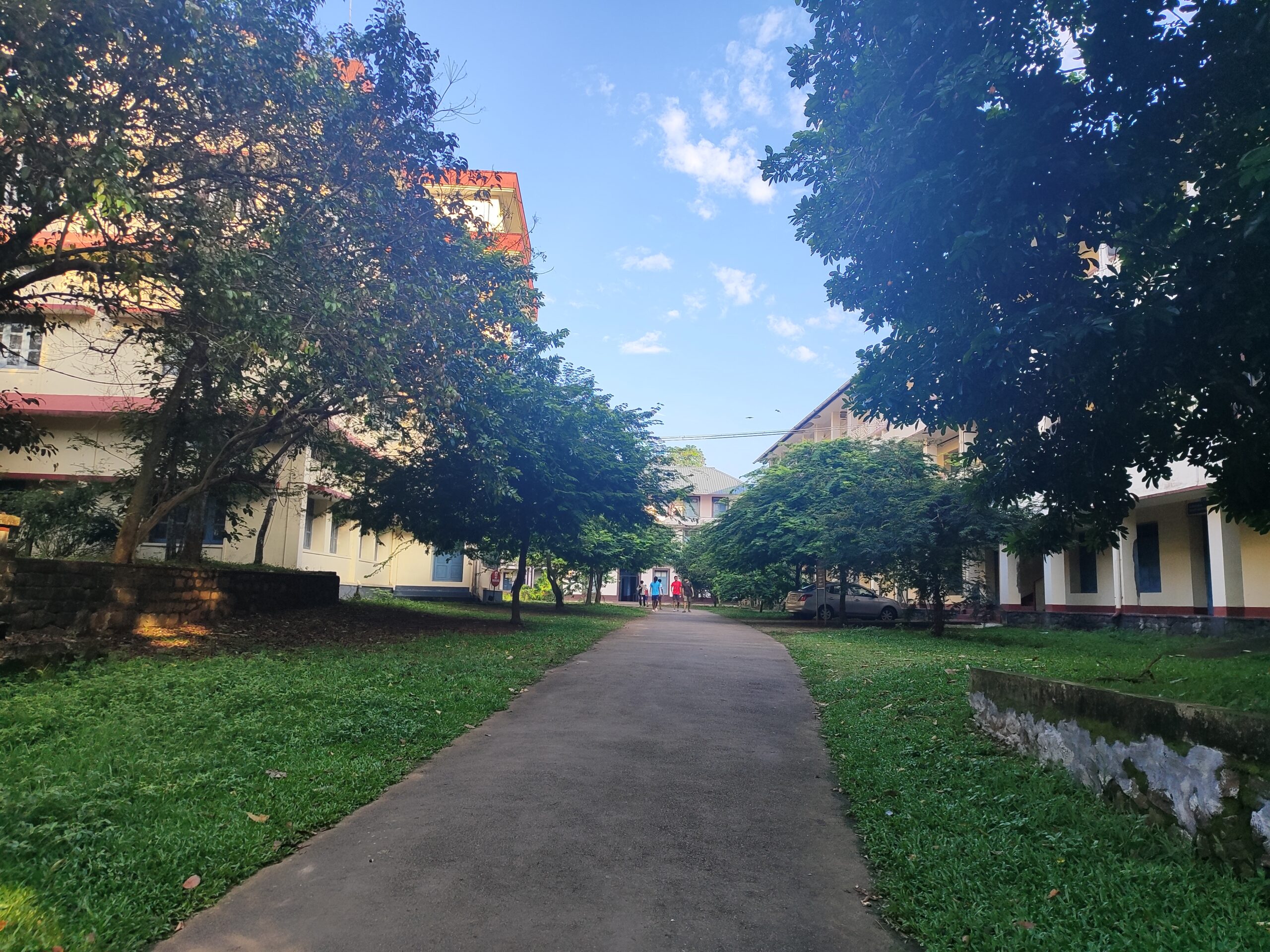
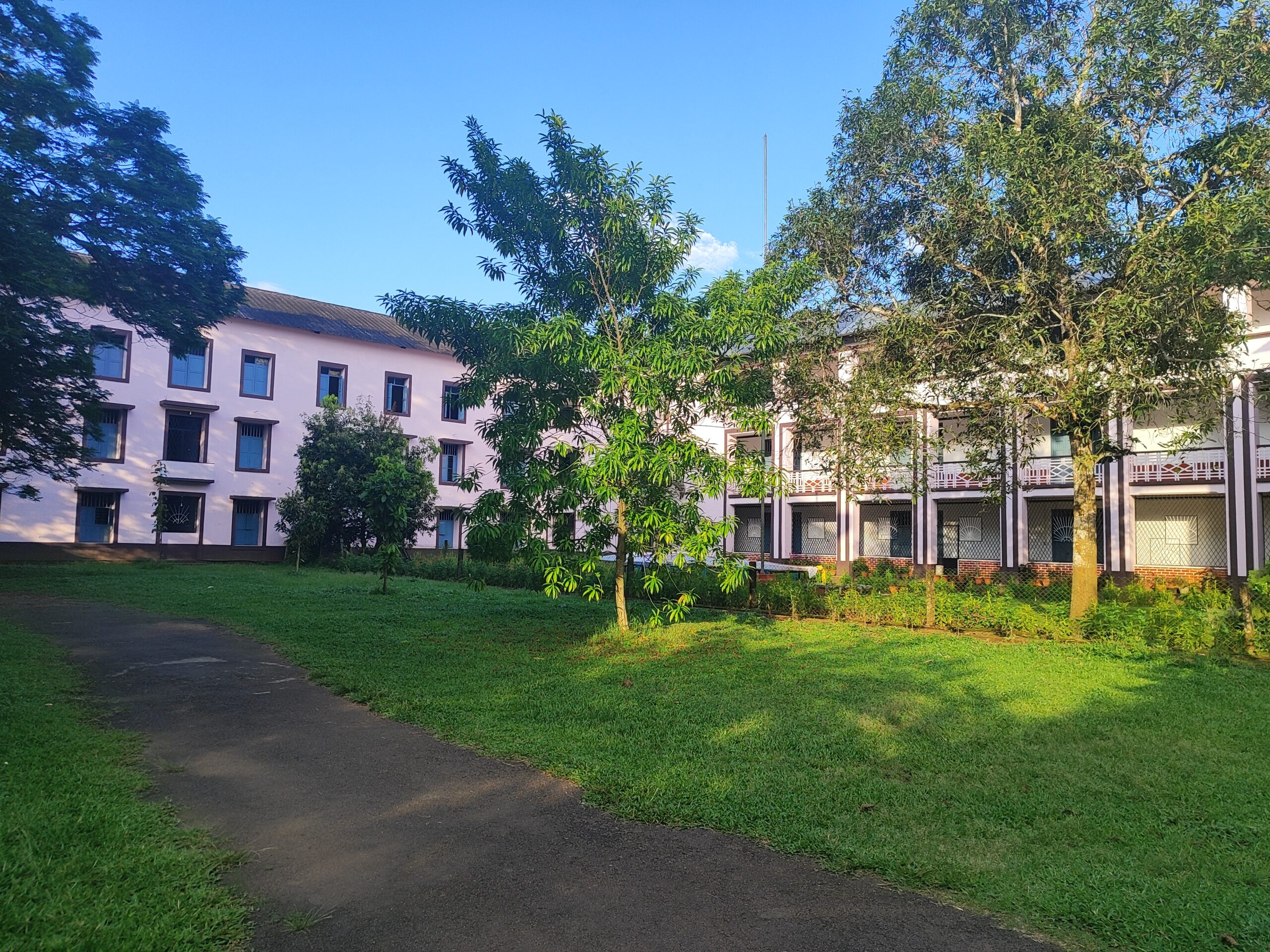
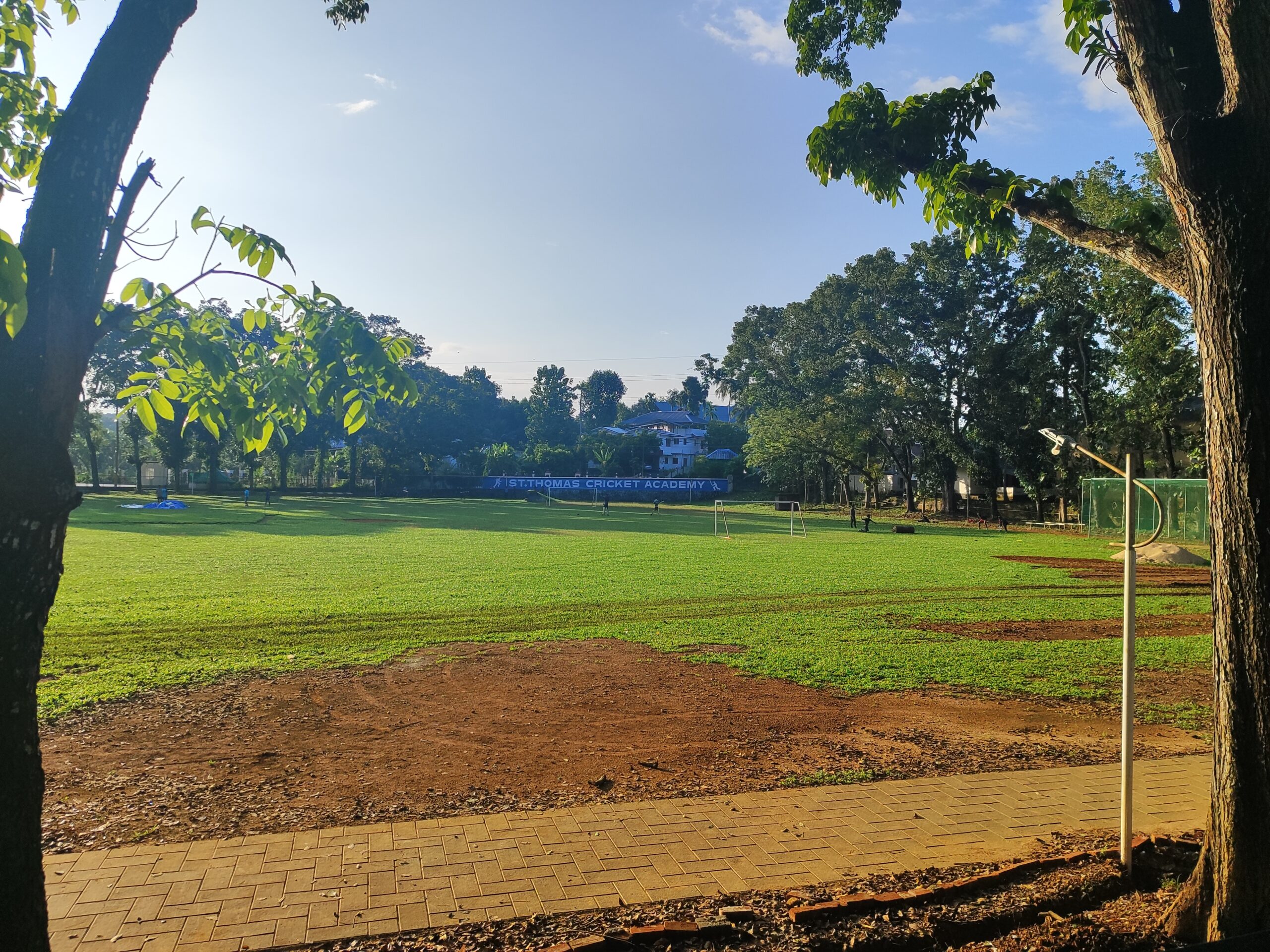
St Thomas College Palai Autonomous, is dedicated to fostering an environmentally conscious and sustainable campus through its Green Campus initiatives. Embracing the principles of ecological stewardship, our institution implements a range of eco-friendly practices and green infrastructure to create a sustainable learning environment for students, staff, and faculty. The Green Campus embodies our commitment to biodiversity conservation, waste reduction, and energy efficiency, setting an example for responsible ecological behavior in our community. From lush greenery and native plants to energy-saving LED lighting and solar power installations, the campus design emphasizes both beauty and sustainability. Water conservation measures are another vital part of our approach, with rainwater harvesting systems and wastewater management initiatives actively supporting water resource management. Our biodiversity-rich campus is home to a variety of flora and fauna, carefully preserved to enhance local biodiversity while providing valuable learning opportunities for students. To reduce carbon footprint, we also promote eco-friendly transportation options, including bicycle use and carpooling among students and staff. Environmental awareness and education are interwoven into our curriculum and activities, encouraging students to become lifelong stewards of the environment. Our Green Campus represents not only a commitment to sustainability but also a hands-on learning environment where future leaders are inspired to understand, respect, and protect the natural world.
Medicinal and Aromatic garden
St Thomas College Palai Autonomous, takes pride in its extensive medicinal garden, an integral component of our Green Campus initiative, showcasing the college’s commitment to biodiversity conservation, sustainable development, and traditional knowledge preservation. This medicinal garden is home to a diverse range of medicinal plants, some of which are rare and indigenous to the Western Ghats, carefully cultivated to support environmental education and health sciences. Among the plant species grown here are Volkameria inermis, known for its antibacterial properties, and Justicia beddomei, a rare medicinal plant valued for its therapeutic uses in traditional medicine. Other species, such as Baliospermum solanifolium, are recognized for their laxative properties, while Piper betle and Gymnema sylvestre are well-known for their roles in oral health and diabetes management, respectively.
The garden also includes Alpinia species like Alpinia calcarata, Alpinia galanga, and Alpinia purpurata, which have applications in both culinary and medicinal contexts, especially in Ayurvedic practices. Aquilaria malaccensis, an endangered species producing valuable agarwood, emphasizes our conservation efforts. Species like Caesalpinia sappan, Canarium strictum, and Chrysopogon zizanioides serve ecological and medicinal purposes, while Cinnamomum verum and Cinnamomum zeylanicum provide aromatic, antimicrobial benefits.
Our collection extends to plants such as Eryngium foetidum, Justicia adhatoda, and Justicia gendarussa, which hold prominent places in herbal medicine for respiratory and joint health. The garden includes valuable spice plants such as Kaempferia galanga, Piper longum, and Piper nigrum, adding to the variety of functional flora. Species like Knema attenuata, Myristica beddomei, and Myristica malabarica represent the rich botanical diversity of the region, along with Santalum album and Pterocarpus santalinus, renowned for their therapeutic and aromatic properties.
The garden also houses sacred and culturally significant plants, such as Saraca asoca, Saraca declinata, and Vateria indica, underscoring the link between environmental conservation and cultural heritage. Other species like Tamarindus indica, Terminalia bellirica, Tinospora chinensis, and Vanilla planifolia add to the diversity of the garden, making it an invaluable resource for academic study and hands-on learning. This rich collection not only enhances the ecological value of our campus but also serves as a living laboratory, offering students and researchers a unique opportunity to study and engage with traditional plant-based knowledge, thereby fostering a deep respect for nature’s healing power and promoting sustainable environmental practices.
RET Conservatory
The Rare, Endangered, and Threatened (RET) Conservatory at St Thomas College Palai Autonomous, is a specialized initiative within our Green Campus, dedicated to the conservation of plant species that face risk of extinction, particularly those endemic to the Western Ghats. This RET Conservatory serves as a vital sanctuary for numerous ecologically significant species, emphasizing our commitment to biodiversity preservation and sustainable environmental management. Among the rare and endangered species housed in our conservatory are Premna serratifolia and Cullenia exarillata, which are integral to local ecosystems and support a range of wildlife.
The conservatory also features Humboldtia vahliana and Humboldtia decurrens, two endangered plants with limited distribution, and Oroxylum indicum, recognized for its medicinal value in traditional healthcare practices. Several species of the Syzygium genus, including Syzygium gardneri, Syzygium cumini var. cumini, Syzygium caryophyllatum, and Syzygium palodense, are preserved for their ecological and nutritional value, as they provide food and habitat to various fauna. Other remarkable plants like Baccaurea courtallensis, Semecarpus auriculata, and Elaeocarpus species (Elaeocarpus angustifolius and Elaeocarpus tuberculatus) add to the genetic diversity of this conservatory, emphasizing the importance of in-situ conservation.
The RET Conservatory is home to multiple culturally significant trees, such as Ficus racemosa, Ficus religiosa, and Ficus benghalensis, which play essential roles in the region’s cultural and ecological fabric. Plants with therapeutic applications, including Phyllanthus acidus, Strychnos nux-vomica, and Ormosia travancorica, are nurtured within this conservatory, as are various Garcinia species like Garcinia imbertii, Garcinia gummi-gutta var. gummi-gutta, and Garcinia indica, which are particularly vulnerable due to habitat loss.
Endangered tree species such as Pterocarpus dalbergioides, Dalbergia latifolia, and Pterocarpus santalinus, known for their valuable timber, are preserved here alongside Santalum album and Hopea parviflora, which are revered for their medicinal and aromatic qualities. Additionally, plants like Quassia indica, Aporosa cardiosperma, Memecylon species (Memecylon edule and Memecylon talbotianum), and Couroupita guianensis contribute to the RET Conservatory’s extensive biodiversity.
Our conservatory also holds species used in traditional medicine and culinary applications, such as Eryngium foetidum, Gymnacranthera canarica, Kaempferia galanga, Knema attenuata, Myristica beddomei, and Pimenta dioica. Furthermore, significant plants like Piper nigrum and Saraca asoca, as well as ecologically important trees like Vateria indica, serve as both conservation targets and educational resources. This RET Conservatory not only enriches our Green Campus but also serves as a living repository, fostering ecological awareness, research opportunities, and the protection of rare and endangered flora, while empowering students and the community to understand the importance of preserving our natural heritage. In celebration of the Platinum Jubilee of St Thomas College Palai Autonomous, seventy-five Santalum album (sandalwood) trees have been planted, symbolizing our deep-rooted commitment to ecological stewardship and sustainability.

